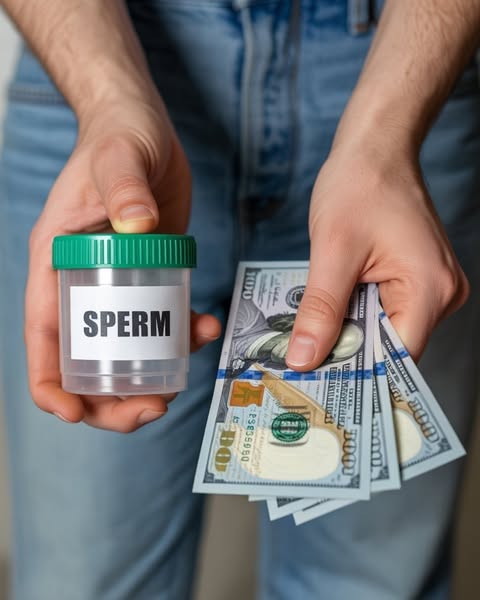
Sperm donation involves a process where healthy individuals may contribute to assisted reproductive procedures at specialized clinics and sperm banks. This article offers a general overview of how individuals can explore clinics and banks that provide compensation for sperm donation. It covers common aspects such as typical processes, eligibility factors, compensation ranges discussed in public resources, and important considerations. The content serves purely as an educational learning resource and does not guarantee acceptance, specific payment amounts, or any particular outcomes. Readers should conduct their own research directly with licensed facilities for the most current and accurate information relevant to their situation.
Sperm banks and fertility clinics that compensate donors typically operate under strict regulatory guidelines, including those from the U.S. Food and Drug Administration (FDA). These facilities screen potential donors extensively for health, genetic, and infectious disease factors to ensure safety. Compensation is generally described as reimbursement for time and travel rather than payment for the biological material itself. As of 2026, publicly available information indicates that approved donors at various banks may receive amounts ranging from approximately $35 to $150 or more per accepted donation, depending on the facility, location, and sample quality. Many programs involve a commitment period of several months with regular visits, during which total earnings can accumulate based on frequency and approval rates. Details vary significantly between providers.
The general process for becoming a sperm donor often begins with an online application followed by initial screening. This may include semen analysis, medical history review, blood and urine testing, genetic screening, and psychological evaluations. Clinics like Fairfax Cryobank, California Cryobank, Cryos, and others maintain rigorous qualification standards, with some accepting fewer than 1% of applicants. Once qualified, donors typically schedule regular appointments to provide samples under controlled conditions. The entire qualification phase can take several weeks to months. Interested individuals are encouraged to review specific requirements on official clinic websites, as age limits (often 18-39 or 18-44), height, health status, education, and residency requirements differ.
Compensation structures differ across clinics. Some facilities report average payments of $100–$120 per approved visit, with potential totals of several thousand dollars over a six-month period for consistent donors. Other banks mention higher or lower ranges based on program type and additional bonuses for completion of required testing or long-term participation. Factors influencing approval and payment include sperm count, motility, and overall sample quality. Payment is usually provided after samples are processed and approved, often on a bi-weekly or monthly schedule. It is important to understand that not every donation may qualify for compensation, and programs may withhold portions until full program completion.
Location plays a significant role when researching clinics that compensate donors. Major sperm banks operate in various states, with some having multiple collection sites. Examples include facilities in California, Georgia, Virginia, and other regions. Donors generally need to live within commuting distance for regular visits. Online directories and individual bank websites can help locate nearby options. Prospective donors should verify licensing, FDA compliance, and reputation through official channels. Virtual or initial screening steps may be available at some facilities, but physical presence is typically required for sample collection.
Eligibility criteria commonly discussed include good overall physical and mental health, absence of certain genetic or hereditary conditions, negative infectious disease tests, and a commitment to the program’s schedule and abstinence requirements before donations. Background checks and lifestyle factors may also be evaluated. Many clinics seek donors from diverse ethnic backgrounds to better serve recipient needs. The screening process protects both donors and future families, involving multiple stages of testing over time. Because requirements are detailed and individualized, direct consultation with clinics provides the most relevant guidance.
Important considerations include understanding the time commitment, potential impact on personal schedule, and long-term implications such as future contact possibilities with offspring in some programs (identity-release options). Legal agreements typically address donor rights and responsibilities. Donors should also consider privacy policies and how their information is handled. Reputable clinics provide counseling or informational resources throughout the process. This article presents only general publicly available information and does not replace professional medical or legal advice.
In summary, finding clinics that compensate for sperm donation involves researching licensed sperm banks, understanding screening processes, eligibility requirements, and compensation structures that exist in 2026. This resource has provided an overview of commonly discussed aspects to serve as a neutral educational guide. Individuals interested in this topic are strongly encouraged to visit official websites of established sperm banks such as Fairfax Cryobank, California Cryobank, Cryos, and others for complete, up-to-date details. Decisions regarding donation involve personal, medical, and legal factors, and this content aims solely to inform without promising any specific results or compensation.
Sources / References :
- Fairfax Cryobank Official Donor Compensation Page
- California Cryobank / Spermbank.com
- Cryos International
- Ivy Surrogacy – Sperm Donor Compensation Guide 2026
- Sperm Bank of California
- DonateSperm.com and other licensed banks
Leave a Reply