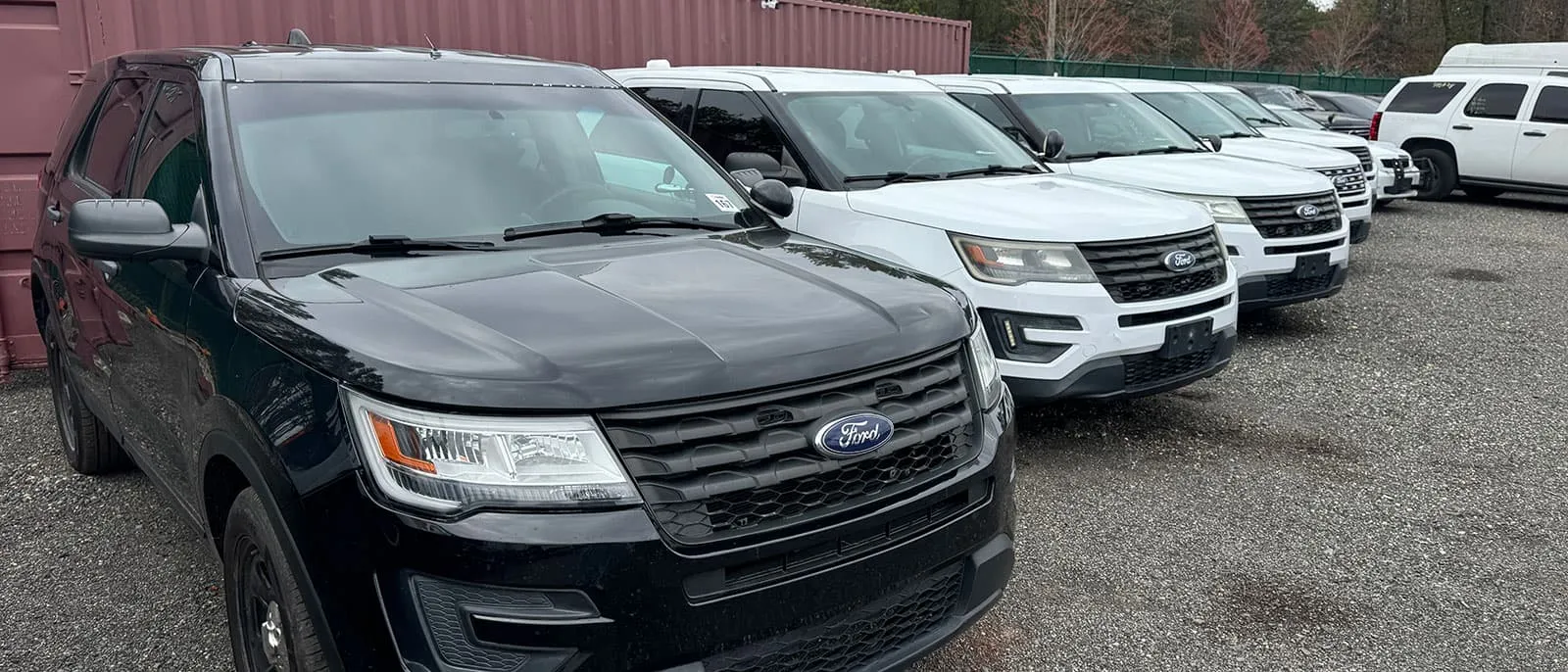
Exploring police auctions offers one way that some individuals research when looking for used pickup trucks. This article provides a general overview of common considerations, processes, and publicly discussed approaches related to purchasing used trucks through police impound or surplus auctions. It serves purely as an informational learning resource to help readers understand the landscape. No specific outcomes, savings, or guarantees are promised or implied. Readers should always conduct their own independent research, verify details with official sources, and consult professionals such as mechanics, legal advisors, or financial experts suited to their personal situation.
One foundational aspect involves understanding how these auctions generally operate. Police departments, sheriff’s offices, and government agencies may auction vehicles that were impounded, abandoned, seized, or retired from service. Pickup trucks can appear in these sales alongside other types of vehicles. Auctions may occur in-person at specific locations or through online platforms. Information about upcoming events is often posted on local government websites, county sheriff pages, or centralized portals. In 2026, many options exist through federal resources like GSA Auctions, state and local listings, or third-party platforms that partner with law enforcement. Availability, types of trucks, and conditions vary widely by jurisdiction and timing, making consistent monitoring of multiple sources a commonly mentioned practice among those researching this avenue.
Researching specific auctions and vehicles beforehand is frequently highlighted as an important step. Potential participants typically review auction rules, registration requirements, preview schedules, payment terms, buyer premiums, taxes, and removal deadlines. Many auctions sell vehicles in “as-is, where-is” condition with limited or no warranties. Checking vehicle identification numbers (VINs) through services like NMVTIS can provide details on history, title status, and reported issues where data is available. Comparing estimated market values using resources such as Kelley Blue Book against potential bid amounts helps create a fuller financial picture. Understanding local title transfer, registration, and inspection requirements through the Department of Motor Vehicles (DMV) is also commonly advised, as processes differ by state and can involve additional time and costs.
Vehicle inspection during preview periods receives significant attention in discussions. Since test drives are often not permitted, attendees usually perform visual checks of the exterior, interior, tires, undercarriage, and accessible engine components. Bringing tools such as a flashlight, OBD-II scanner (where allowed), tire gauge, or mirror can assist in observing potential issues like fluid leaks, unusual wear, or visible damage. Listening for abnormal sounds when the engine is started (if permitted) and checking for warning lights or odors are additional steps some people describe. For pickup trucks specifically, common areas of focus include the bed, suspension, frame for rust or damage, and signs of heavy prior use. Many emphasize that these limited inspections cannot replace a professional post-purchase mechanical evaluation.
Financial planning extends beyond the winning bid price. Total costs often include buyer’s premiums (sometimes 5-15% or more), sales tax, title fees, potential storage charges if removal deadlines are missed, transportation or towing expenses, repairs, insurance, and registration. Calculating these in advance supports more realistic budgeting. Some individuals set strict maximum bid limits based on their overall financial assessment to avoid overspending in the competitive auction environment. Awareness of payment methods—frequently requiring cash, certified funds, or wire transfers within short timeframes—is another practical consideration discussed in relation to these sales.
Understanding potential risks and limitations forms a key part of informed research. Vehicles from police auctions may have unknown maintenance histories, prior heavy use (especially former fleet or interceptors), hidden mechanical issues, salvage titles, or other notations that affect insurability and resale value. There can be challenges with clear title acquisition in some cases. These factors contribute to why many describe such purchases as higher-risk compared to traditional used vehicle buying channels. This is why thorough preparation, realistic expectations, and contingency planning for repairs are commonly recommended topics in educational resources about government auctions.
Practical strategies mentioned by those exploring this area include starting with smaller or less competitive auctions, focusing on specific truck models with known reliability, attending previews early, and documenting all observations. Online platforms like GovDeals, GSA Auctions, or local government sites allow remote browsing of listings with photos and descriptions. Building knowledge over time by observing multiple auctions without bidding can help familiarize individuals with processes and typical outcomes. Networking with experienced attendees or joining relevant online communities (where appropriate) sometimes provides additional general insights, though official rules should always take precedence.
Post-purchase considerations are equally important for a complete understanding. After winning a bid, buyers typically handle payment, paperwork, transportation, repairs, and compliance with local roadworthiness requirements. Arranging insurance coverage before driving (where applicable) and scheduling a professional inspection soon after acquisition are steps frequently suggested. Long-term ownership costs, including maintenance for trucks that may have been used in demanding conditions, should also factor into planning. This article outlines general information only and does not substitute for personalized professional guidance.
In summary, researching used trucks through police auctions involves multiple layers of preparation, inspection, financial awareness, and post-purchase handling. This resource has presented an overview of commonly discussed considerations, processes, and tips as an educational guide. Individuals interested in this option are encouraged to visit official government and auction websites for the most current details, review all terms and conditions carefully, and gather jurisdiction-specific information relevant to their needs. Decisions in this area depend on many personal factors, and the content here aims solely to inform without promising any particular results or experiences.
sources – https://auction.ridesafely.com/guide-buying-impounded-cars/
https://www.yourmechanic.com/article/how-to-buy-a-vehicle-at-a-police-auction
https://www.autoblog.com/carbuying/-how-to-get-a-good-deal
Leave a Reply