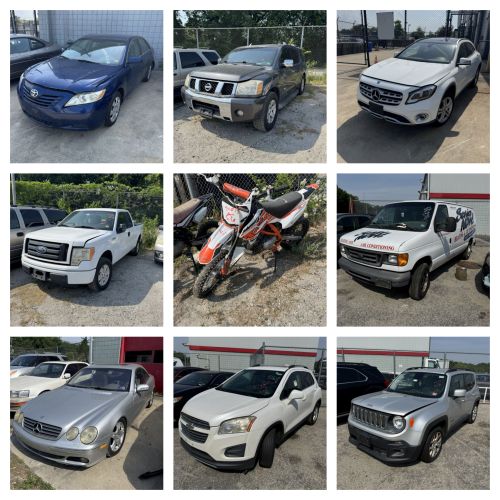
How to Buy Police Impound Pickup Trucks at Auction in 2026
Purchasing vehicles through police impound auctions represents one avenue that some individuals explore when researching used pickup trucks. This article offers a general overview of the processes, considerations, and publicly available information related to police impound pickup trucks at auctions in 2026. It serves purely as an educational resource to help readers understand the landscape of government and law enforcement vehicle auctions. The content does not provide advice, guarantees, or promises of any specific outcomes, savings, or success. Readers should conduct their own thorough research using official sources and consult relevant professionals as needed for their individual circumstances.
Police impound auctions typically involve vehicles that have been towed and remained unclaimed, or those seized through various law enforcement actions. These may include pickup trucks from different makes and models that were involved in incidents, abandoned, or part of fleet turnovers. Auctions are conducted by local police departments, sheriff’s offices, city governments, or contracted auction companies. In 2026, many such sales occur both in-person and online, with listings appearing on official government websites, platforms like GSA Auctions, or third-party auction sites that handle public sales. Information about specific upcoming auctions can often be found on county or city police department websites, state surplus property pages, or centralized government auction portals. Availability of pickup trucks varies by location and time, and interested individuals are encouraged to monitor multiple sources regularly for the most current listings.
The general process for participating in these auctions begins with research and preparation. Potential participants usually need to register in advance, which may require providing identification such as a valid government-issued ID and meeting age requirements (often 18 years or older). Some auctions allow online registration while others require in-person signup during preview times. Vehicle previews, when available, let attendees inspect the trucks from the outside under “as-is” conditions, though starting engines or test drives are typically not permitted. Bidding can take place in live settings or through online platforms, with the highest bidder winning the lot subject to any rules set by the auctioneer. Payment terms often demand full payment shortly after winning, frequently in cash, certified funds, or approved methods, along with additional buyer’s premiums, taxes, or administrative fees. All these details differ by jurisdiction and specific auction, making it important for individuals to review the exact terms for each event.
Condition and documentation of impound pickup trucks deserve careful attention in any research. Vehicles sold at these auctions are generally offered in “as-is, where-is” condition with no warranties or guarantees regarding mechanical reliability, history, or roadworthiness. Some trucks may have high mileage, prior damage, missing parts, or salvage titles, while others could be former fleet vehicles in varying states. Buyers typically receive a bill of sale, but obtaining a clear title suitable for registration can involve additional steps through the Department of Motor Vehicles (DMV) in the buyer’s state. Potential issues such as liens, past usage in law enforcement, or unreported damage highlight why many people recommend performing independent vehicle history checks (where possible), arranging post-purchase inspections by qualified mechanics, and understanding local registration and title transfer requirements before participating.
Various platforms and resources exist for locating auctions in 2026. Government sites like USA.gov provide overviews of federal auctions, including those managed by the U.S. Marshals Service for seized assets or GSA for surplus vehicles. Local police and sheriff departments often publish auction schedules on their official websites, sometimes partnering with companies like Copart, IAAI, or specialized public auctioneers. Online marketplaces may also list impound or seized vehicles, allowing remote viewing of photos and descriptions. Individuals interested in pickup trucks can search using filters for make, model, year, and body type when such options are available. It remains essential to verify that any platform or auction is legitimate and directly connected to authorized government or law enforcement sellers to ensure compliance with applicable rules.
Financial and logistical considerations form another important area of study. Costs extend beyond the final bid price to include buyer premiums, storage fees if pickup is delayed, transportation arrangements, repair estimates, and potential title or registration expenses. Pickup trucks may require specific handling for towing or delivery depending on their condition. Some jurisdictions impose strict deadlines for vehicle removal after purchase, with additional daily storage charges applying afterward. Researching these fees in advance helps create a more complete picture of the total investment involved. Additionally, insurance availability and financing options for auction-purchased vehicles can differ from standard purchases, so exploring these aspects through licensed providers supports informed decision-making.
Legal and regulatory aspects vary significantly by location and should be examined closely. Different states and municipalities maintain their own rules regarding title transfer, emissions compliance, safety inspections, and eligibility for road use after auction. Some vehicles might carry salvage, rebuilt, or other notations that affect future resale or insurance. Understanding these requirements helps individuals assess whether a particular truck aligns with their intended use, whether personal, work-related, or otherwise. This article presents only general information and does not replace consultation with local DMV offices, legal professionals, or automotive experts for jurisdiction-specific guidance.
In summary, exploring police impound pickup truck auctions in 2026 involves multiple steps including research, registration, inspection where possible, bidding, payment, and post-purchase handling. This resource has outlined common practices, potential considerations, and publicly available avenues for information as a neutral learning guide. Prospective participants are encouraged to visit official government and auction websites, review terms and conditions thoroughly, and gather all necessary details relevant to their situation. Outcomes depend on many individual factors, and this content aims solely to inform without promising any particular results or experiences.
Sources – https://www.proxibid.com/Auctions-ASAP/Metro-Impound-February-2026/event-catalog/292364
Leave a Reply